Hair Transplant
Sapphire FUE Technique
Men Hair Transplant
Women Hair Transplant
Beard Transplant
Eye-Brows Transplant
Scar Coverage
Non-Surgical
Results
Packages
Patient Guide
About Us
Contact
WhatsApp Us
Pro-AcademyA small sample of your blood is concentrated into platelet-rich plasma and placed exactly where your hair is thinning. No incisions, a visit of about an hour, and most people return to their day straight after.
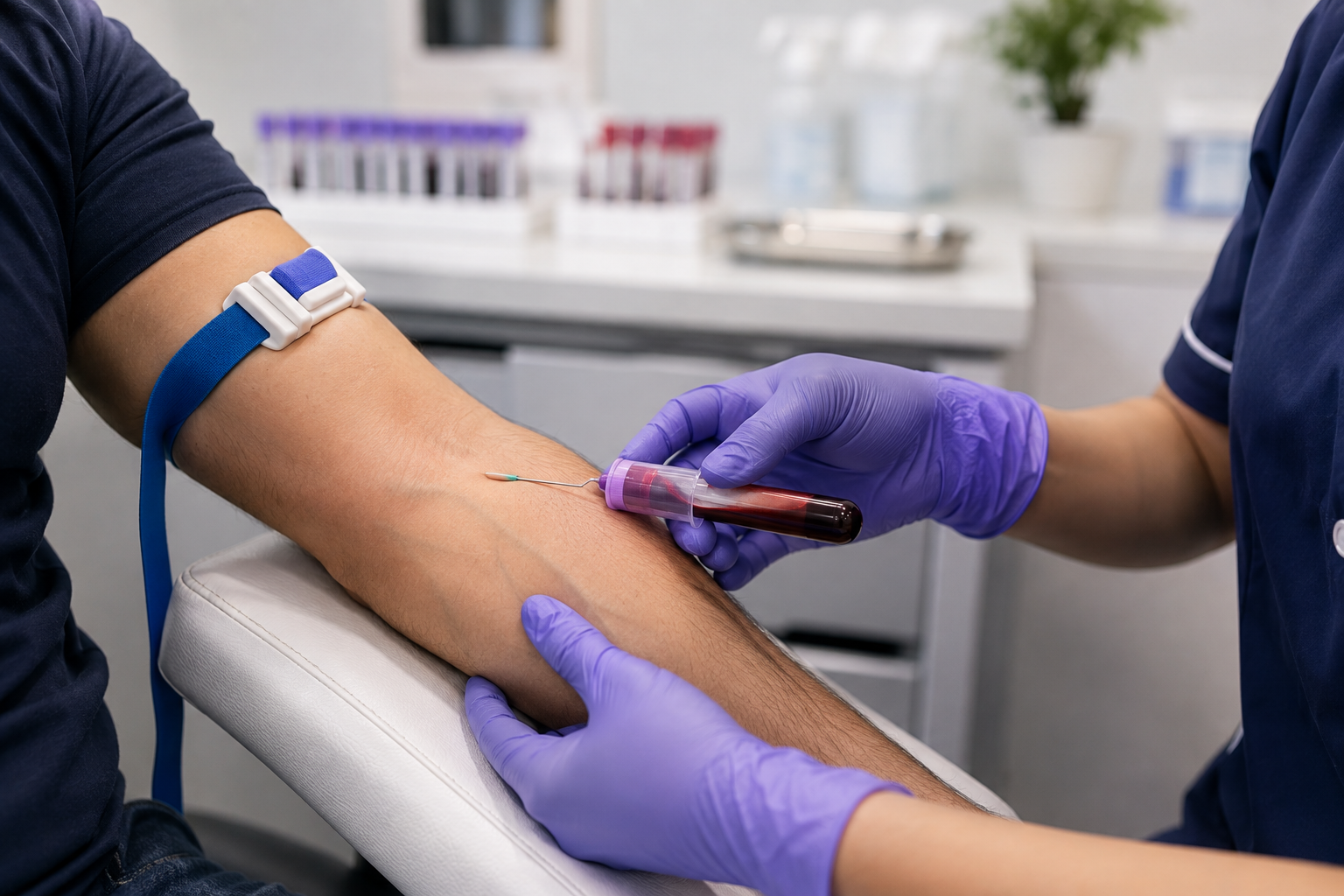
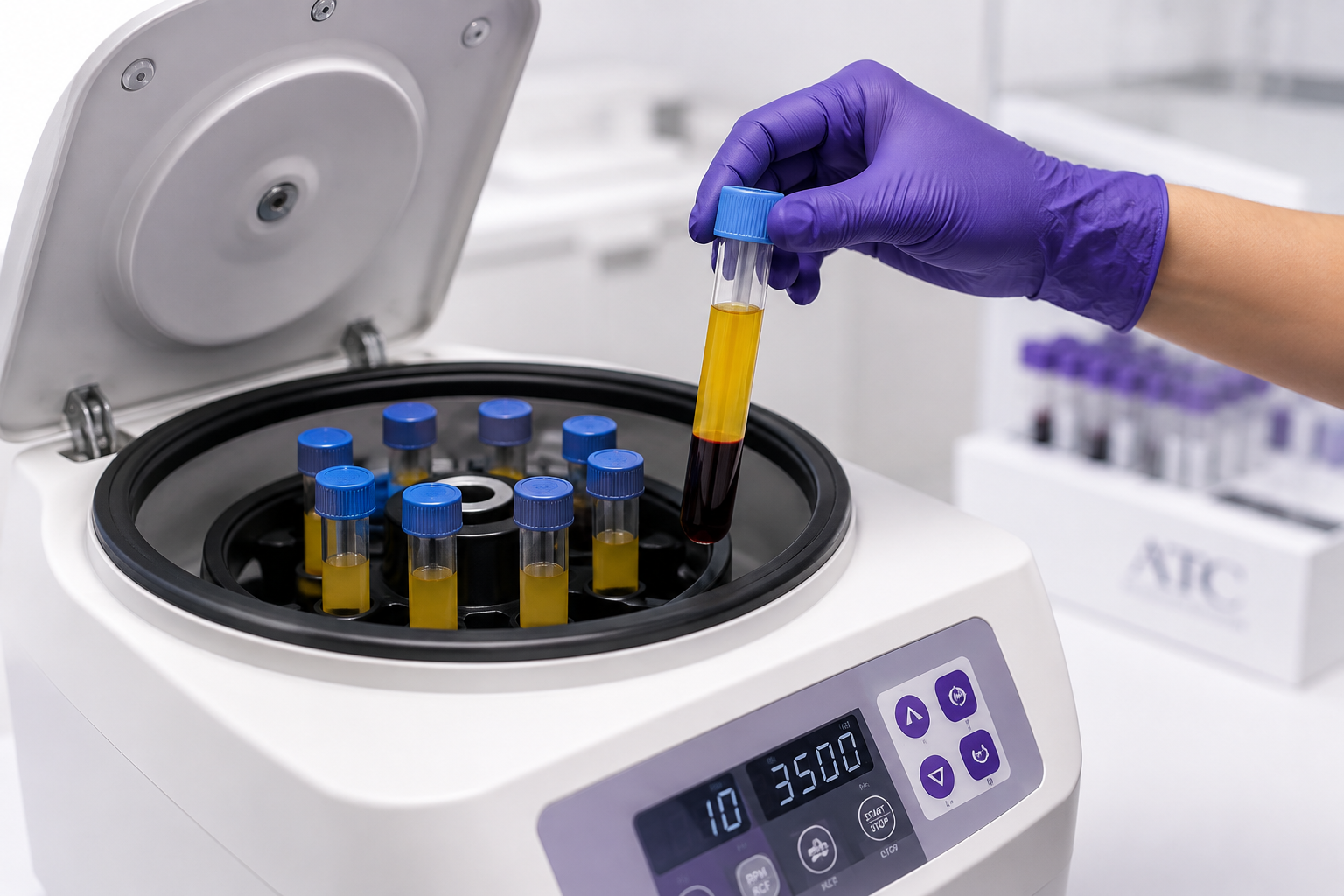
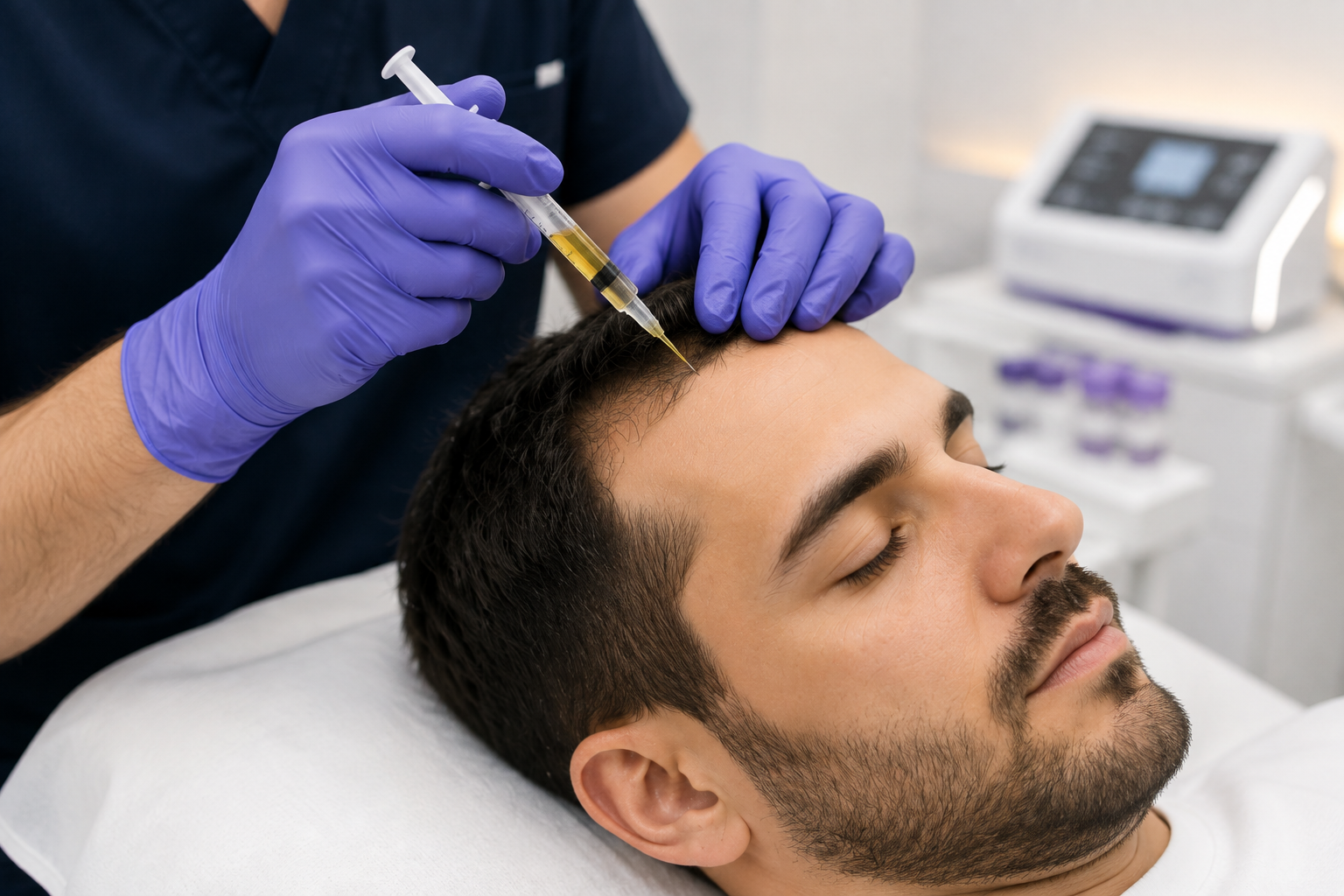
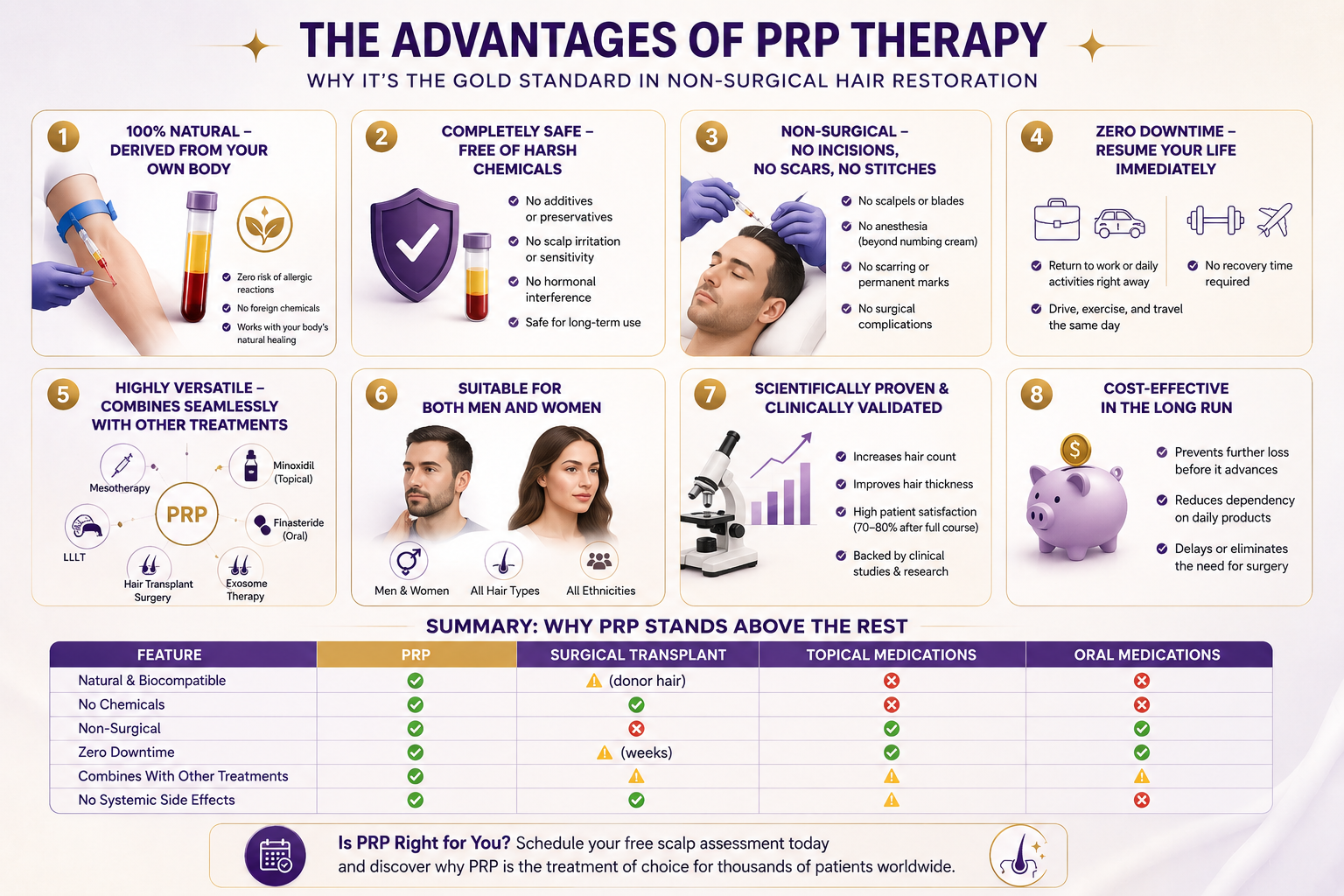
Platelet-rich plasma (PRP) is made from a small sample of your own blood. We spin it to concentrate the platelets, which carry natural growth factors, and inject it into areas of thinning to support weak follicles.
Platelets release signals such as PDGF, VEGF and EGF that support follicle activity.
Helps miniaturized follicles that are still alive move back toward active growth.
Supports micro-circulation for a healthier environment around each follicle.
May reduce the low-grade inflammation linked to ongoing hair loss.
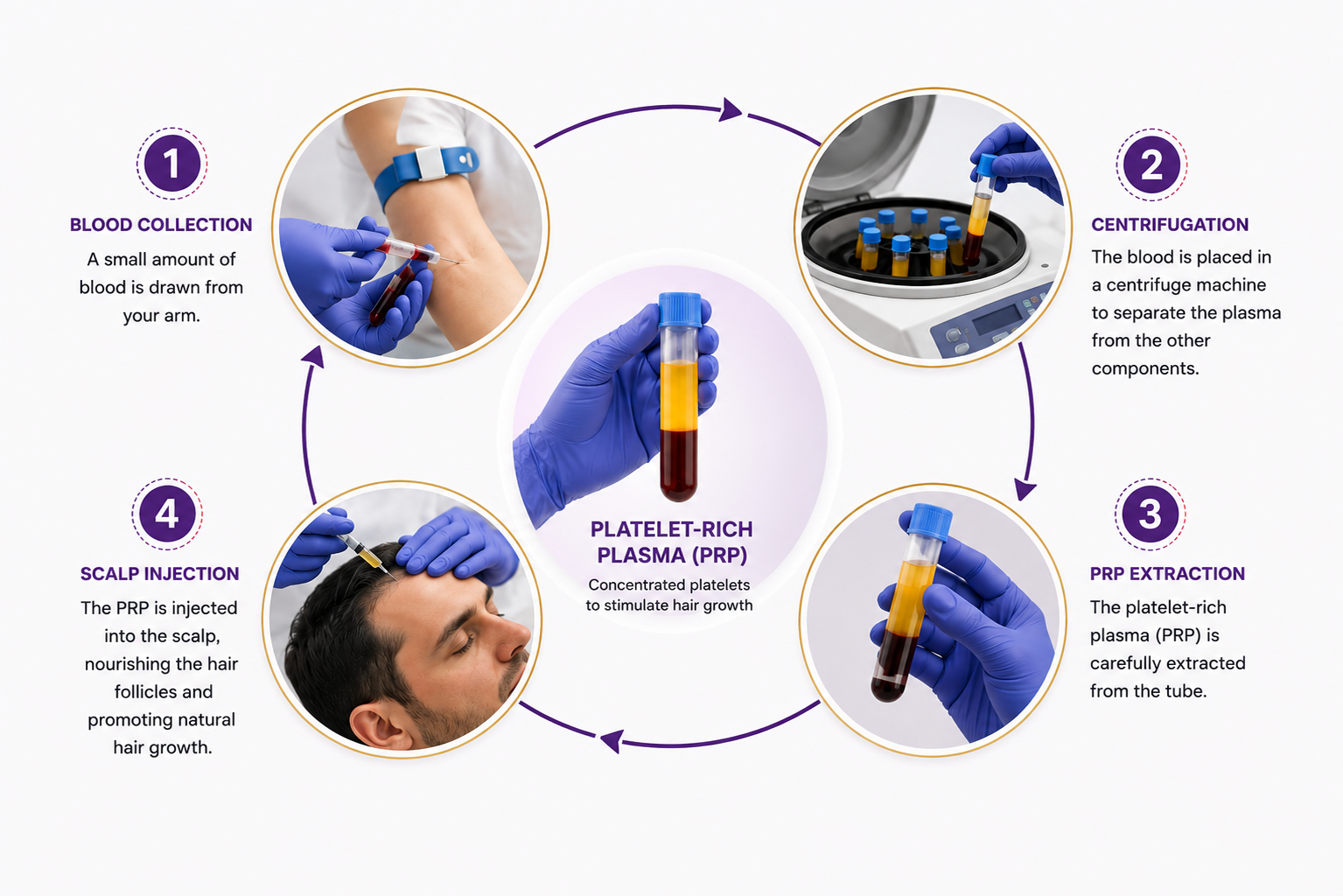
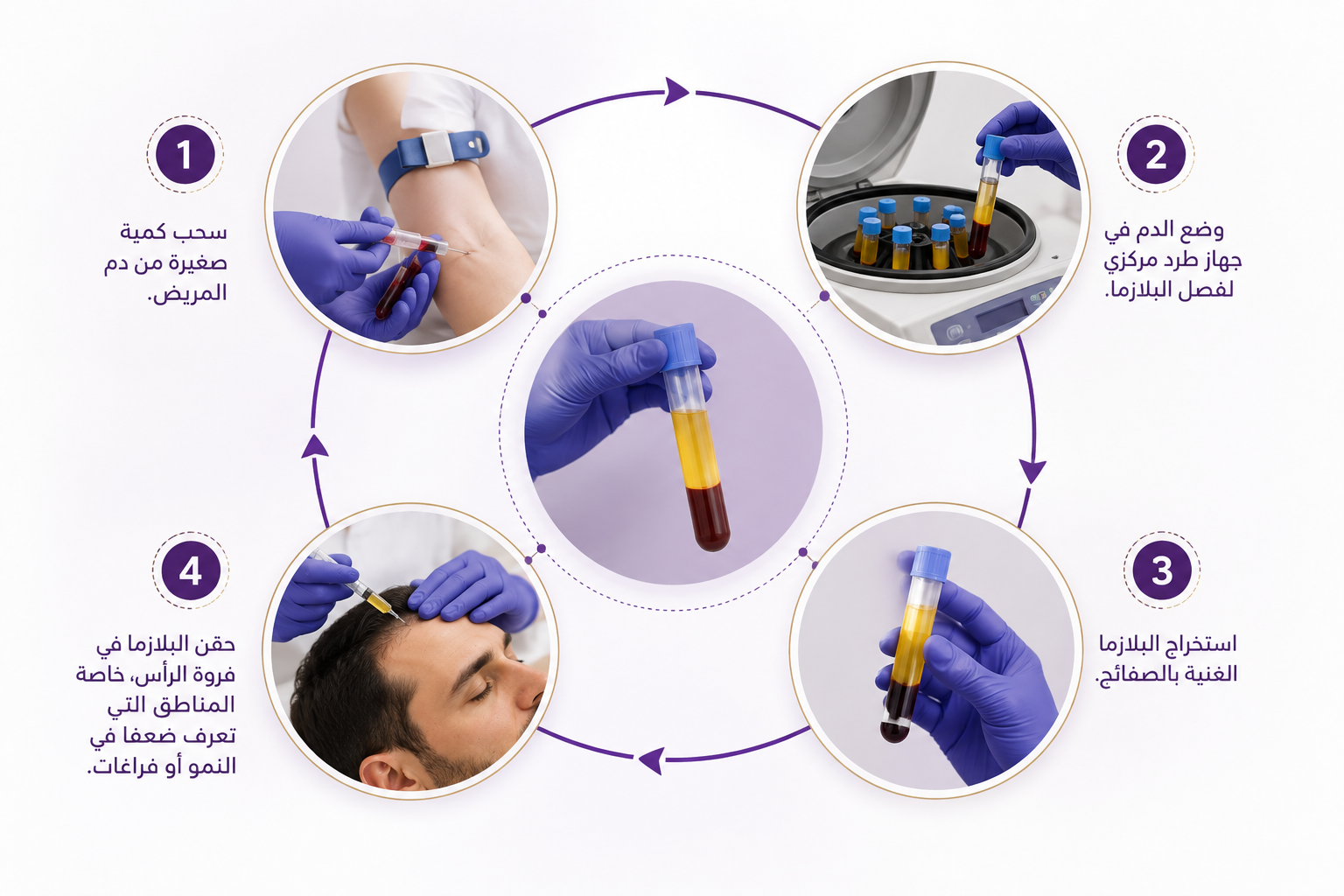
A session takes about 45 to 60 minutes. There is no surgery, no bandage and no recovery stay.
Your specialist examines your scalp and marks the areas of thinning, recession or weak follicles.
About 10–20 ml is drawn from your arm, just like a routine blood test.
The centrifuge separates your blood so the platelet-rich layer can be collected.
The PRP is drawn up under sterile conditions and prepared for injection.
After numbing cream, ultra-fine needles place the PRP into thinning areas. Most people feel mild pressure or small pinpricks.
You leave with simple instructions. Hair can usually be washed after about 24 hours.
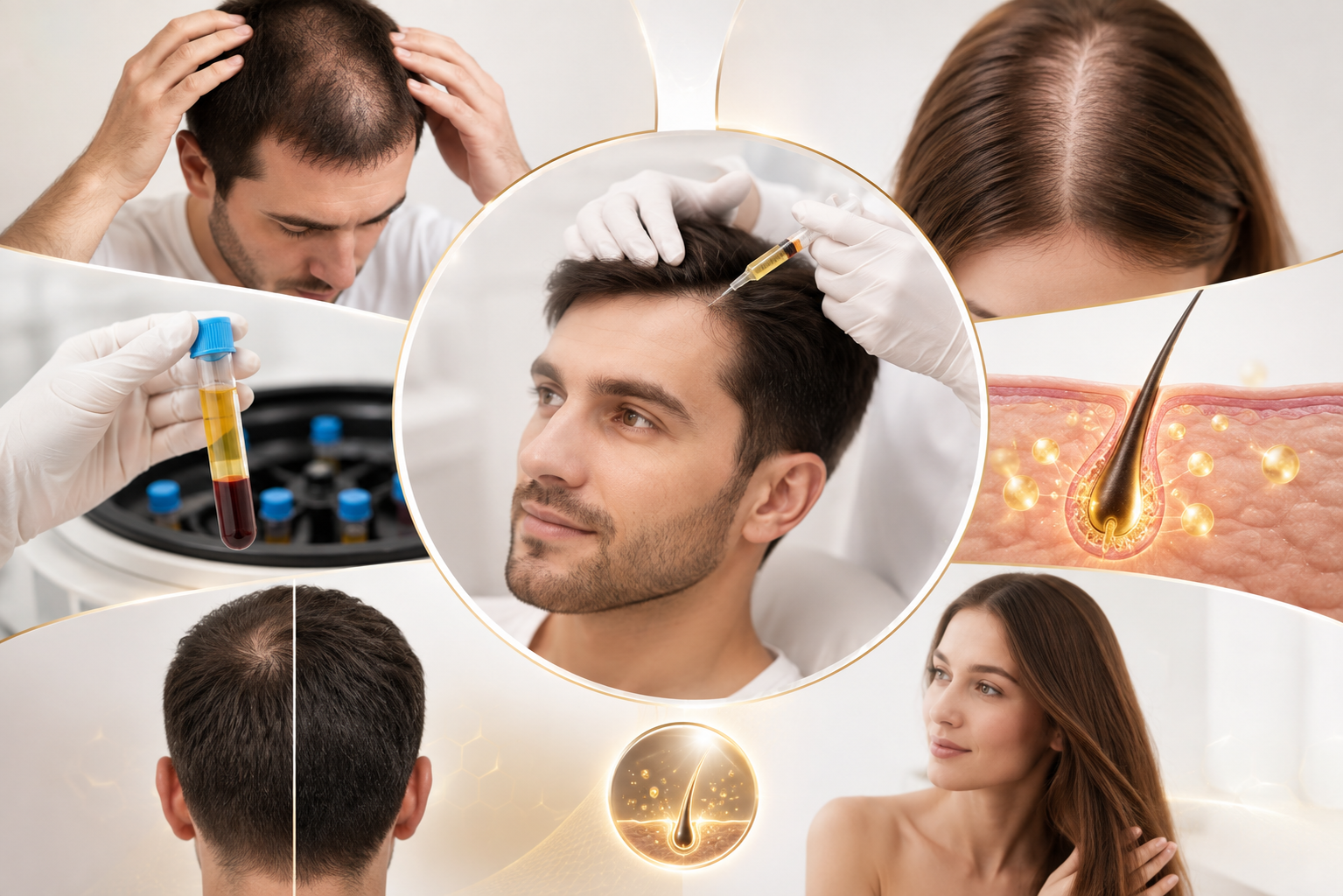
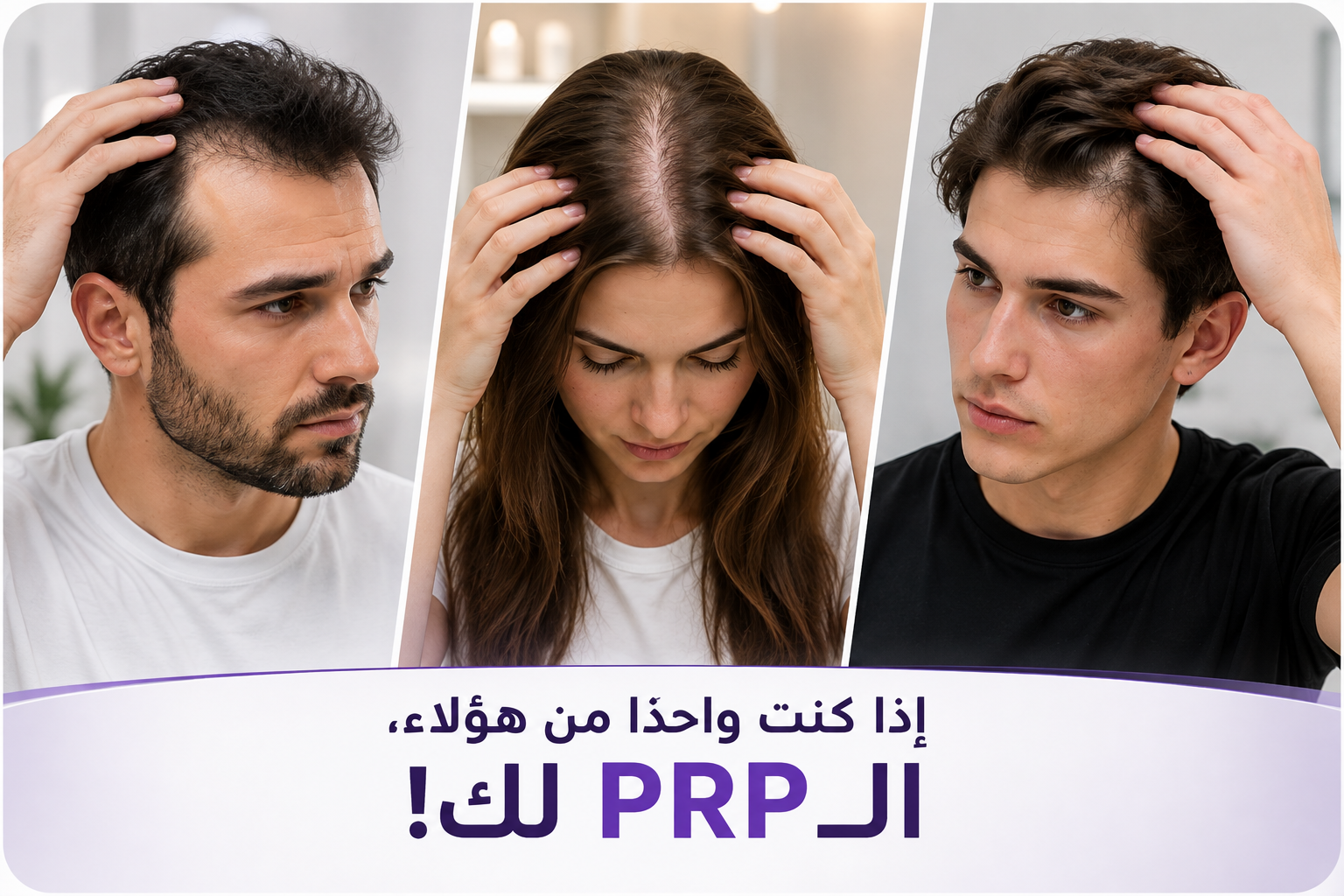
PRP works on follicles that are still alive but miniaturized. That makes timing important: the earlier thinning is treated, the more there is to protect.
Not sure if you qualify? Send photos of your hairline, top and crown on WhatsApp. We will tell you honestly whether PRP, or another option, makes sense for you. Ask us ↗
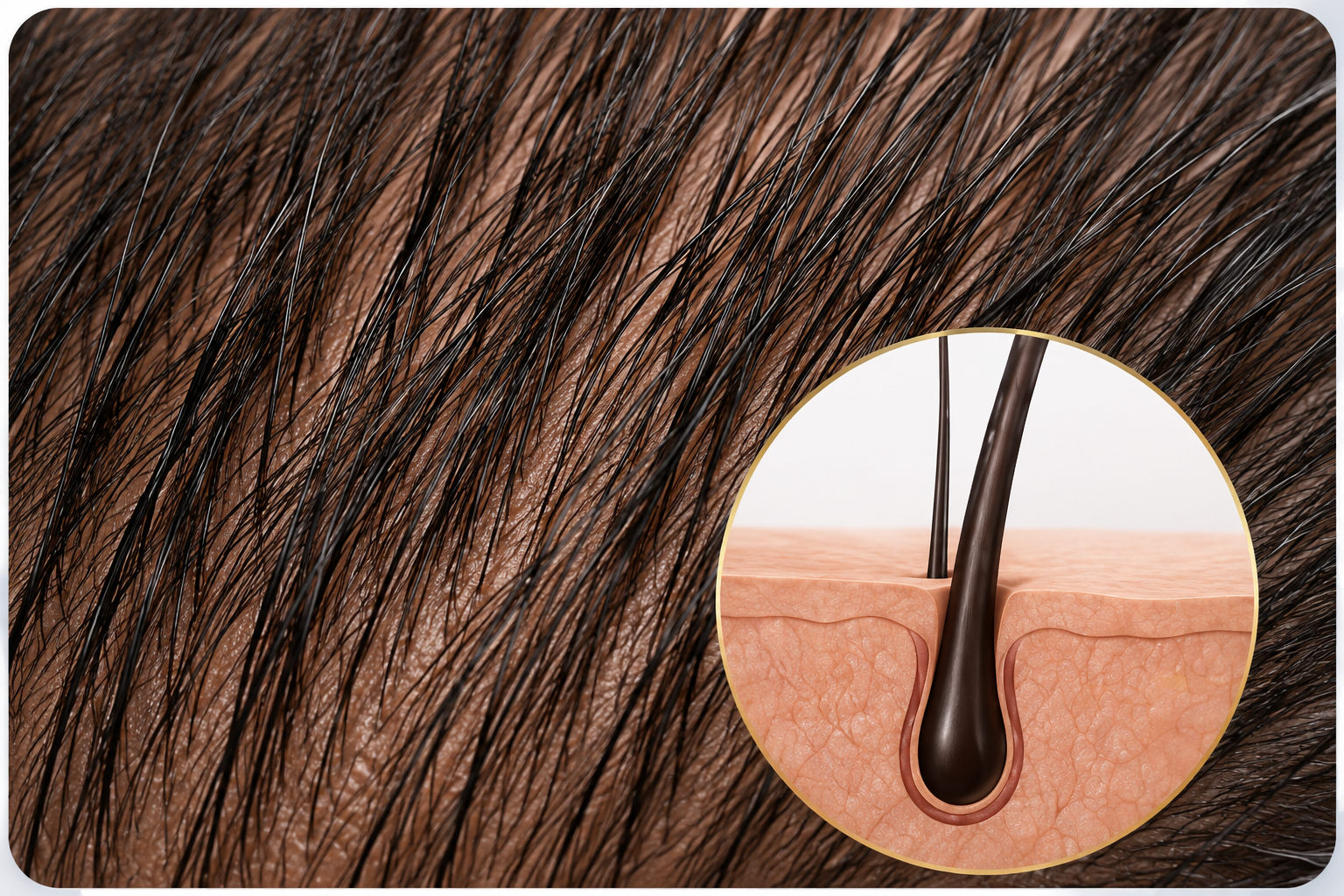
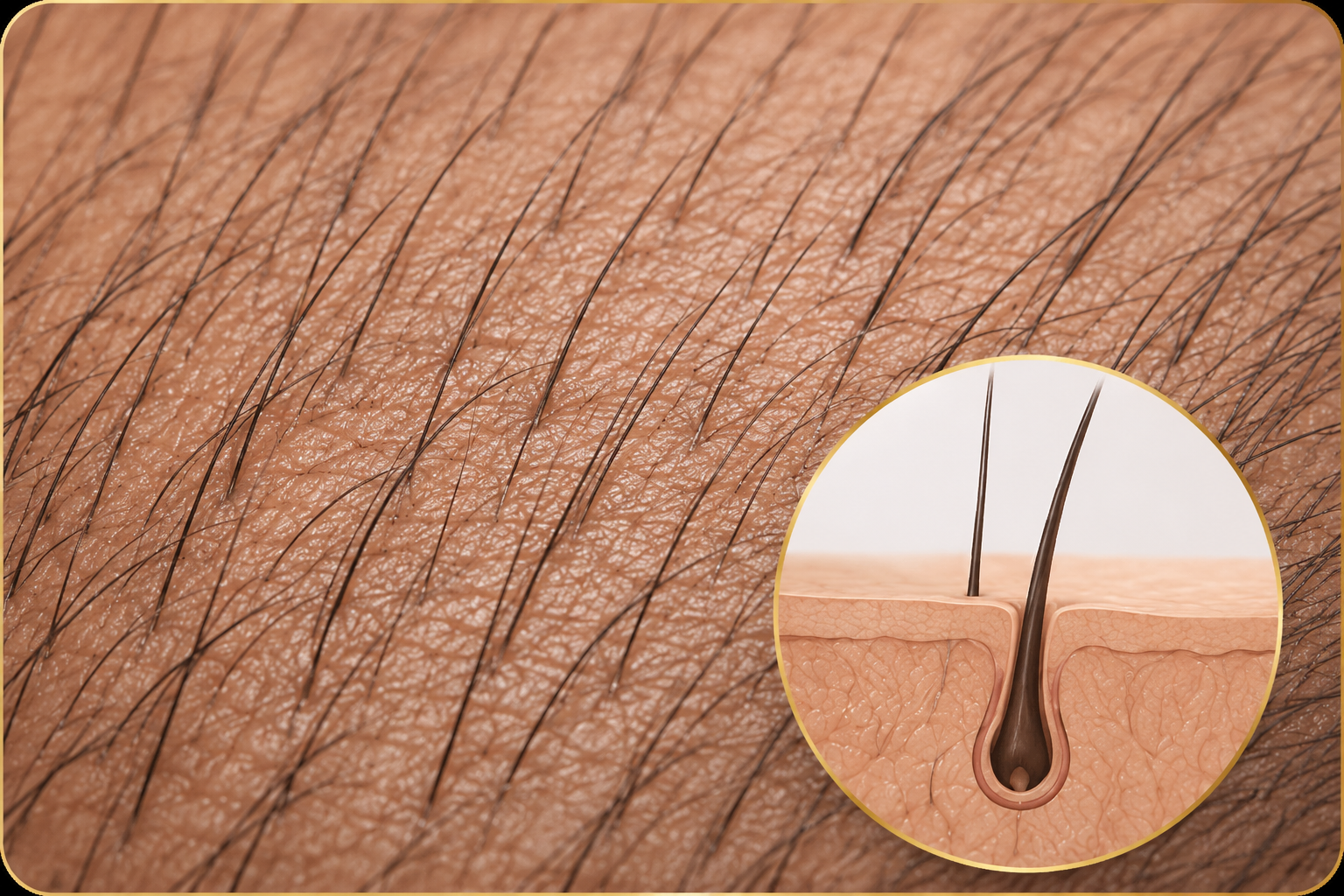 BeforeAfter
Drag to compare. Individual results vary. More results →
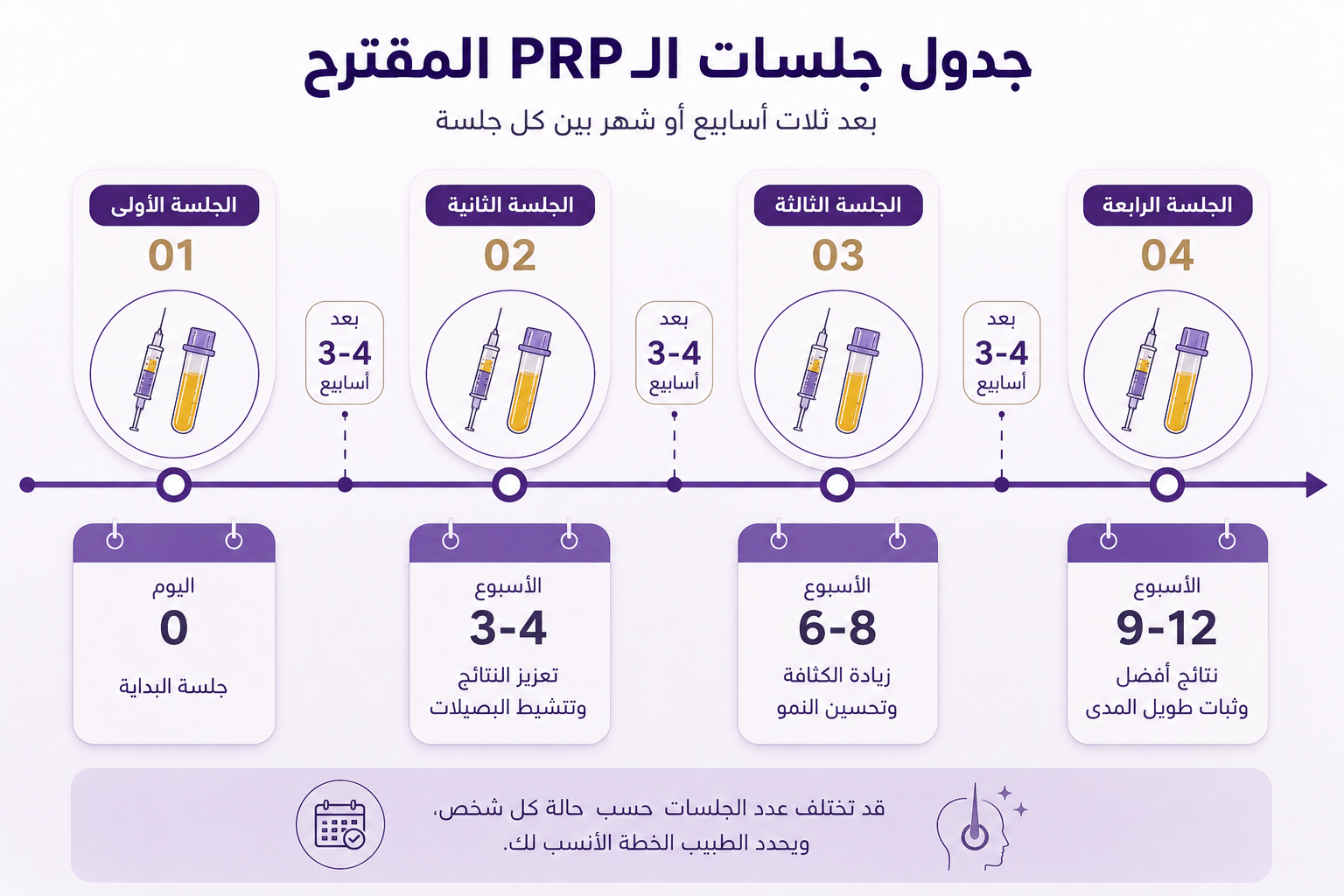
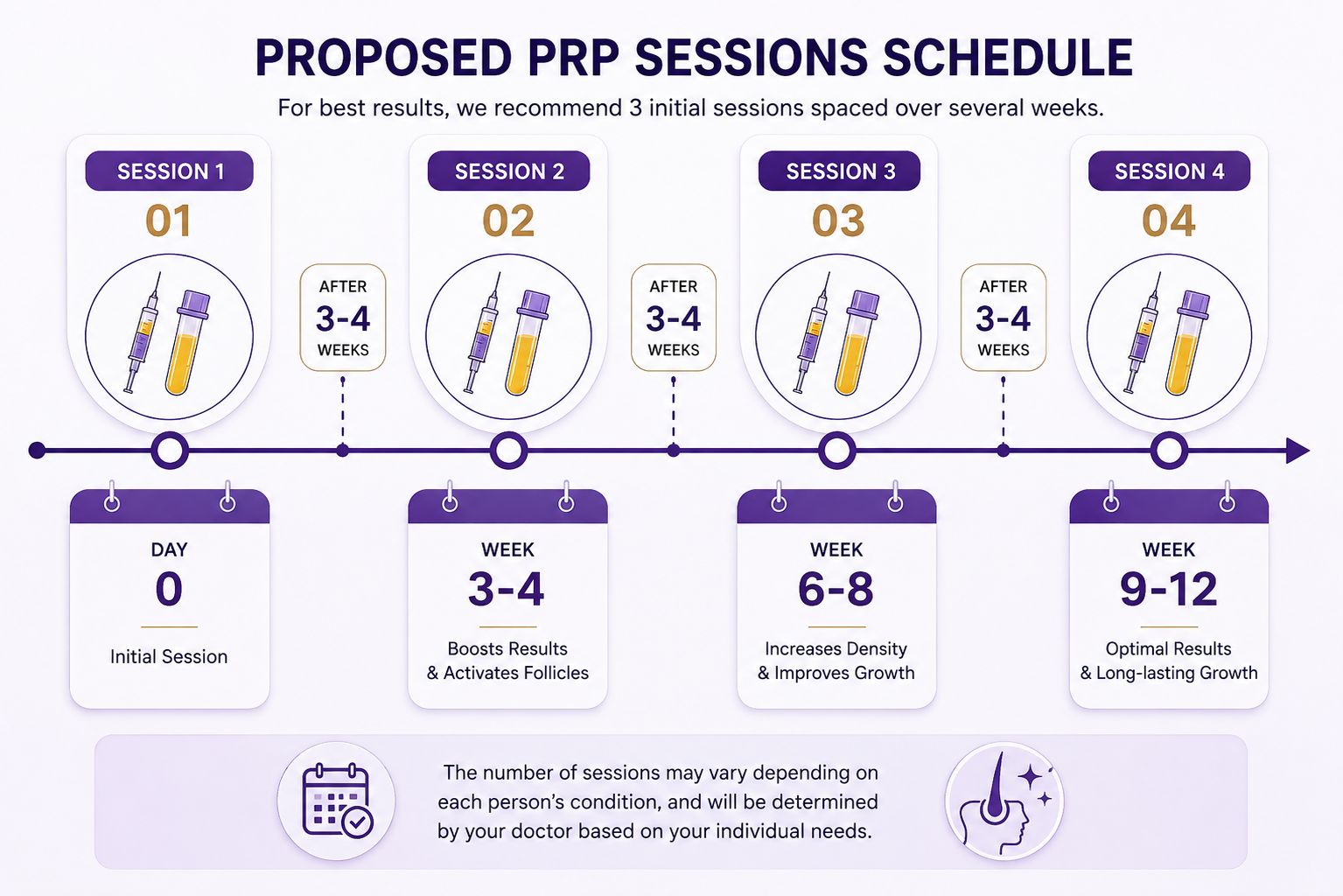
Hair grows in cycles, so PRP works best as a planned series. After your assessment we build a schedule around your type and stage of hair loss and how your scalp responds.
Every 2–4 weeks to wake weak follicles and reduce shedding.
Sometimes advised for more advanced thinning.
Helps preserve your gains as hair loss progresses.
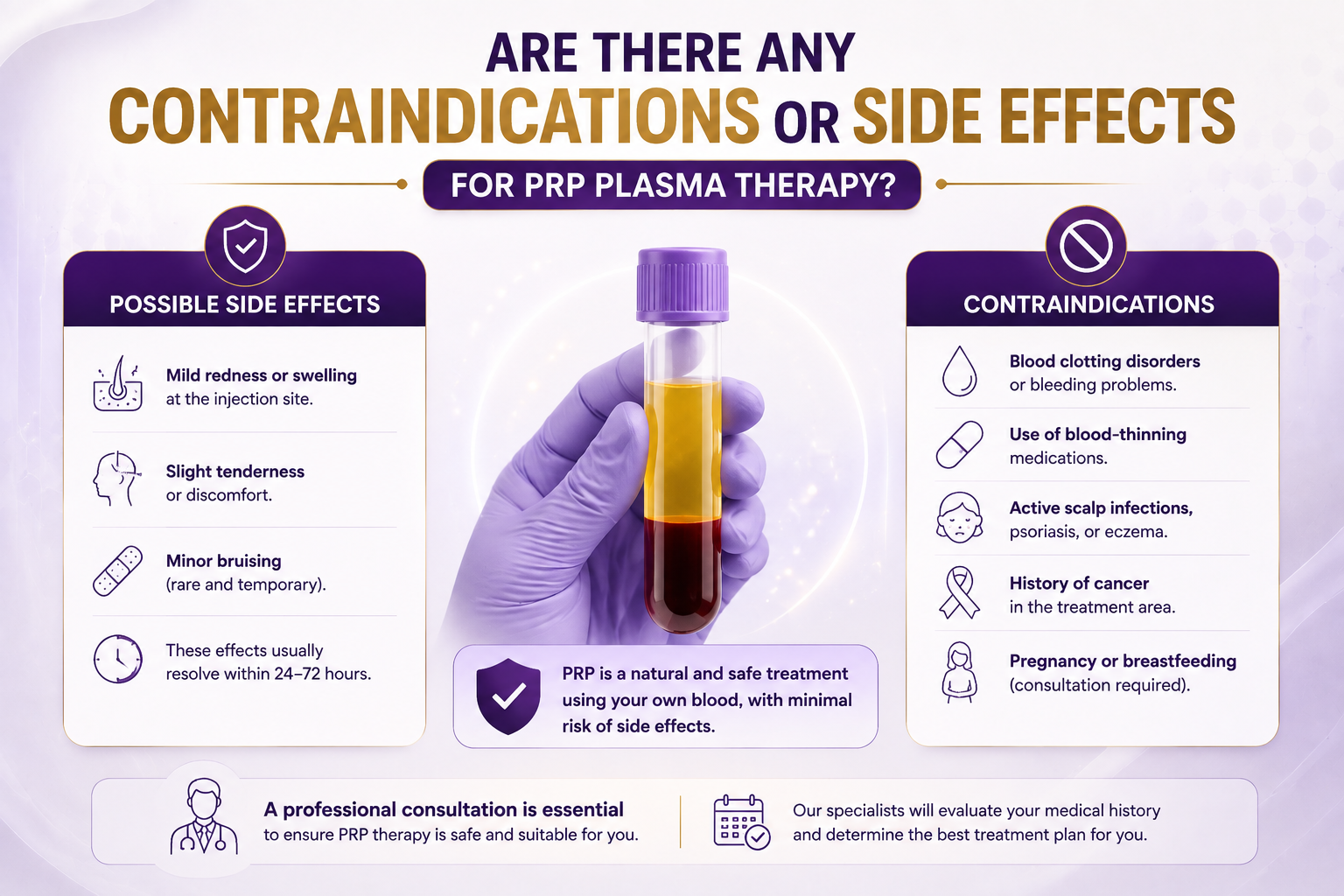
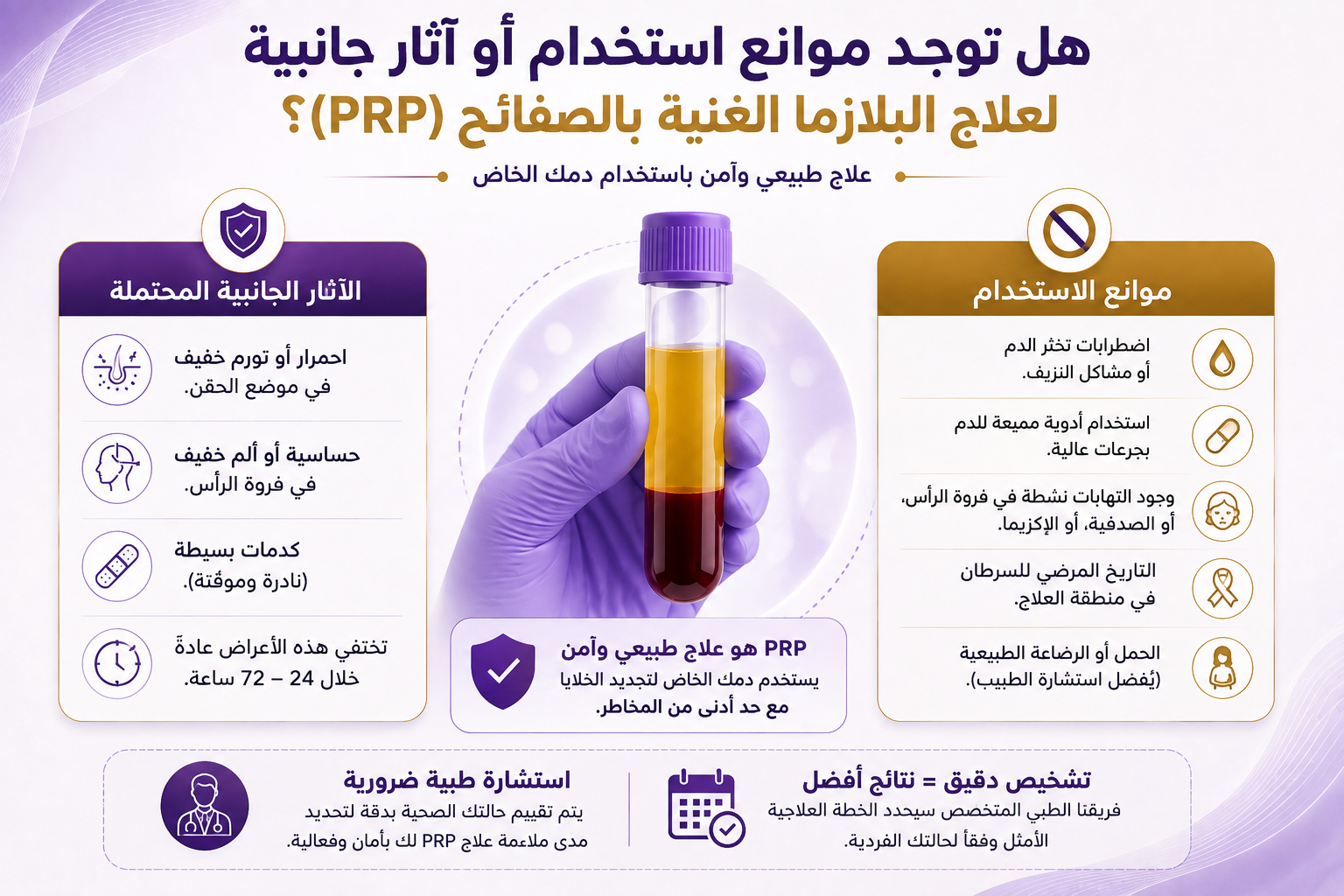
Because PRP comes from your own blood, serious reactions are rare. Like any medical treatment it is not right for everyone, so we review your medical history before your first session.
| Effect | How common | Usually lasts |
|---|---|---|
| Scalp redness | Common | 2–24 hours |
| Tenderness | Common | 24–48 hours |
| Slight swelling | Common | 1–3 days |
| Minor bruising | Uncommon | 3–7 days |
| Mild headache or itching | Rare | 1–2 days |
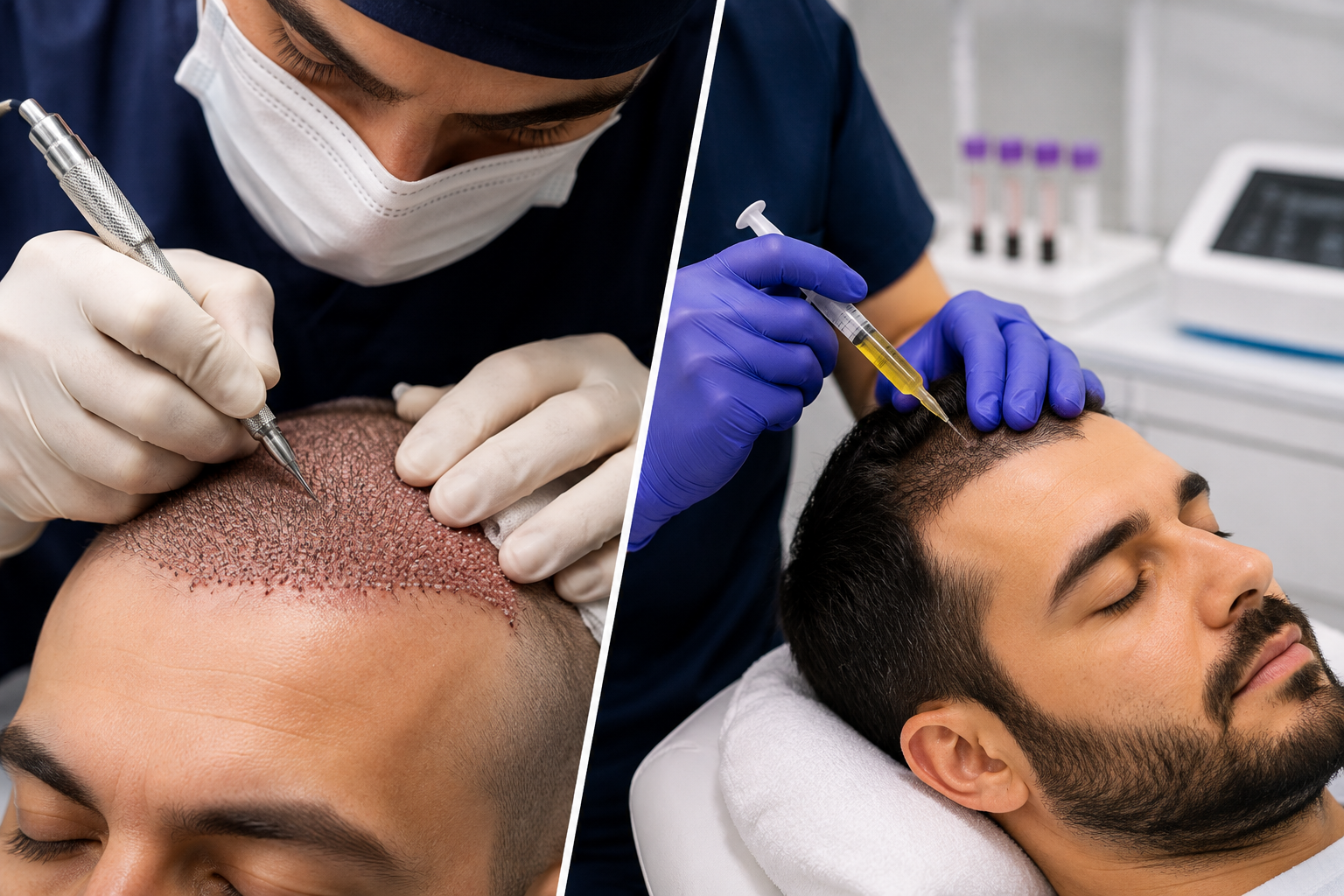 Included at no extra cost
At ATC, post-operative PRP is part of our transplant aftercare, not an add-on. The months after surgery shape your final result, so we support your scalp through them.
Supports recovery of the donor and recipient areas.
May ease post-operative redness, inflammation and itching.
Studies suggest PRP may support graft survival and help limit shock loss.
Supports thicker, stronger growth as new hairs mature.
Living abroad or visiting Amman? Your assessment begins on WhatsApp, and we plan PRP visits honestly around your travel dates.
Send my photos ↗Hairline, top, crown and the back of your head, on WhatsApp.
We tell you if PRP is likely to help, or if another option suits you better.
Sessions are weeks apart, so we fit the course to your trips to Amman.
Share progress photos and keep in touch in Arabic or English.
The questions patients ask us most. Your own plan always follows a personal assessment.
↗Still have a question?PRP is one of the most researched non-surgical hair treatments. Studies show reduced shedding and improved density for many people with early or moderate thinning. Results vary from person to person, which is why we assess your scalp first.
We apply numbing cream before the injections. Most patients describe mild pressure or small pinpricks, and the injection part takes only a few minutes.
Most plans start with 3 to 4 sessions, 2 to 4 weeks apart, followed by maintenance every 6 to 12 months. We adjust the plan to your hair loss and how your scalp responds.
Reduced shedding is often the first change, within the first months. Visible density usually develops between months 3 and 6, with results stabilizing by around a year.
No. PRP strengthens weak follicles but cannot create new ones. For fully bald areas a transplant is usually the right option, and PRP can support it.
Yes. Post-operative PRP is included in our qualifying transplant packages as part of aftercare. Your coordinator confirms what your package covers.
Yes. Your assessment starts on WhatsApp with photos. Because PRP is given in several sessions, we explain how the course fits your visits to Amman before you book.
Send clear photos of your hairline, crown and thinning areas. Our team will explain your options honestly and suggest the next step.
Information on this page is for education and does not replace a medical consultation. Suitability, treatment plan and expected results are decided by your doctor after examination. Results vary from person to person and cannot be guaranteed. All procedures carry risks, which we explain before treatment.